
English
Views: 0 Author: Site Editor Publish Time: 2026-02-17 Origin: Site
When choosing materials for telescopic tools, the decision between aluminum vs stainless steel often arises. Both metals offer distinct advantages and are widely used in various industries, depending on the specific demands of the application. Understanding the properties of each material can help you make an informed decision about which one best meets the requirements of your work. This article will break down the material properties of aluminum and stainless steel, compare their durability, maintenance needs, and explore their performance in different industrial environments.
Both aluminum and stainless steel are known for their strength, but they differ in how that strength is distributed across various applications. Stainless steel, being a denser material, generally offers higher strength, especially in the context of heavy-duty tasks. This makes it suitable for applications that require handling significant loads or exposure to extreme stress, such as heavy lifting or industrial construction work.
Aluminum, on the other hand, offers a moderate strength relative to its weight, making it perfect for tasks that require lightweight tools without compromising too much on strength. This characteristic is particularly beneficial in applications where ease of handling and mobility are important factors.
One of the main distinctions between aluminum and stainless steel is weight. Aluminum is significantly lighter than stainless steel, which can make a big difference in the comfort and convenience of using telescopic tools. The lightweight nature of aluminum allows workers to handle tools for extended periods without fatigue, making it ideal for tasks that involve frequent height adjustments, such as cleaning windows, painting high walls, or conducting inspections.
In contrast, stainless steel is much heavier, which can make it harder to maneuver, especially when working at elevated heights or over long periods. However, the additional weight also contributes to its increased strength, making it a better option for applications requiring robust performance under heavy loads.
Corrosion resistance is a critical factor in determining the longevity and reliability of telescopic tools, particularly for outdoor and industrial use. Both aluminum and stainless steel offer excellent resistance to corrosion, but in different ways.
Stainless steel has a natural resistance to rust and corrosion, thanks to the presence of chromium, which forms a passive oxide layer on the surface. However, while stainless steel excels in resisting oxidation in most environments, it can still corrode under certain conditions, such as exposure to saltwater or harsh chemicals.
Aluminum also has a corrosion-resistant nature thanks to its natural oxide layer. This oxide layer forms on the surface of aluminum when exposed to oxygen, providing an effective barrier that prevents rust and corrosion. Anodizing the aluminum surface further enhances its corrosion resistance, making it a highly durable material in humid environments, marine applications, and situations where tools are exposed to moisture.
To better understand how aluminum vs stainless steel telescopic tools perform in terms of durability and maintenance, here’s a comparison table:
Property | Aluminum Poles | Stainless Steel Poles |
Weight | Lightweight | Heavy |
Corrosion Resistance | Excellent | Excellent |
Strength for Heavy Loads | Moderate | Very high |
Maintenance | Low | Moderate |
Cost | Lower | Higher |
From the table, it's clear that aluminum poles are lighter and have a lower maintenance cost compared to stainless steel poles. The downside, however, is that aluminum is not as strong as stainless steel for handling heavy loads, making it less suitable for extreme conditions. Stainless steel poles, though heavier, have superior strength and durability under heavy stress but require more maintenance due to their increased susceptibility to scratches and other surface damage, even though they maintain excellent corrosion resistance.
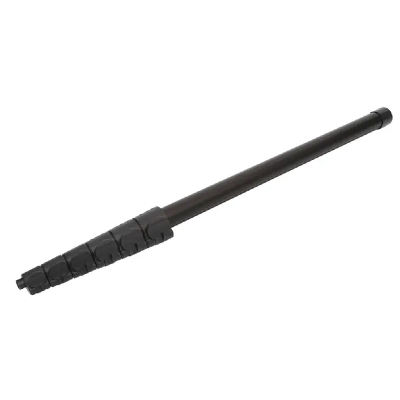
Stainless steel is often the go-to material for applications that involve heavy loads, high stress, or extreme environments. Due to its superior strength, stainless steel poles are ideal for construction and heavy industrial applications where durability under pressure is required. It’s also the material of choice for environments that demand the highest levels of resilience, such as offshore platforms, mining, and oil rigs, where both strength and corrosion resistance are paramount.
On the other hand, aluminum telescopic poles are preferred for tasks that require ease of use and lightweight design. Industries such as window cleaning, photography, and maintenance frequently rely on aluminum poles due to their maneuverability and lighter weight. Aluminum’s adjustable length makes it an excellent choice for cleaning tall windows, working at heights, and accessing hard-to-reach areas in a time-efficient manner without compromising on safety.
Both aluminum and stainless steel offer excellent performance in outdoor settings, but their capabilities differ in certain conditions. Aluminum excels in humid environments and exposure to water, thanks to its anodized surface, which creates an extra layer of protection against corrosion. The natural oxide layer on aluminum helps prevent rust, making it highly suitable for use in rainy, coastal, or wet environments.
Stainless steel, however, may require additional coatings to maintain its performance in extremely corrosive environments, such as exposure to saltwater or harsh chemicals. While it remains highly resistant to rust, the material’s surface can still be damaged if not properly maintained. The cost of maintaining stainless steel poles can be higher due to the need for regular cleaning and protective coatings to maintain their finish.
When deciding between aluminum and stainless steel for telescopic tools, the best material choice depends on your specific needs:
For construction or any task that involves lifting or carrying heavy loads, stainless steel telescopic poles provide superior strength and durability. Their high strength makes them suitable for industrial environments where heavy-duty equipment is required. However, the extra weight may limit their usability in situations that demand mobility and frequent adjustments.
If you are working in industries such as window cleaning, building maintenance, or outdoor inspections, aluminum poles offer superior ease of use and light weight, which is essential for tasks that require portability and quick adjustments. The anodized coating ensures that aluminum telescopic poles can withstand moisture and exposure to harsh weather conditions, making them highly suitable for outdoor tasks.
When it comes to cost vs. performance, aluminum telescopic poles provide a better return on investment in situations that prioritize ease of use, mobility, and lower maintenance. However, if your application demands heavy lifting or extreme environments, stainless steel telescopic poles offer the strength and resilience that outweigh the higher initial cost and heavier weight.
In conclusion, both aluminum and stainless steel telescopic tools have their distinct advantages, depending on the requirements of your industry and the tasks at hand. Aluminum poles excel in environments where lightweight and portability are critical, while stainless steel poles offer unmatched strength and durability for heavy-duty tasks. Whether you prioritize ease of use or extreme durability, understanding the differences between these materials can help you choose the best telescopic tool for your needs.
If you are looking for high-quality telescopic poles that offer the best of both materials, contact us today at Zhongshan Step-By-Step Metal Co., Ltd to explore our extensive range of aluminum and stainless steel telescopic tools tailored for your specific needs.
1. Which material is lighter, aluminum or stainless steel for telescopic poles?
Aluminum is much lighter than stainless steel, making aluminum poles ideal for tasks requiring portability and ease of use.
2. How does the corrosion resistance of aluminum compare to stainless steel?
Both aluminum and stainless steel are highly corrosion-resistant, but anodized aluminum offers enhanced protection, particularly in humid and wet environments.
3. Are stainless steel poles more durable than aluminum?
Stainless steel poles are stronger and more durable, particularly for heavy-duty tasks, but aluminum poles are more suitable for tasks that require lighter weight and ease of handling.
4. Which material is more cost-effective, aluminum or stainless steel?
Aluminum is generally more cost-effective than stainless steel, both in terms of initial cost and maintenance requirements. However, stainless steel may provide better value for specific heavy-duty applications.


