
English
Views: 0 Author: Site Editor Publish Time: 2026-02-19 Origin: Site


The durability of aluminum telescopic poles is one of the most critical aspects that determines their performance, longevity, and overall value. The material used, its design, and the surface treatments applied can significantly affect how well these rods hold up under harsh conditions and extended use. For businesses that rely on telescopic rods for tasks like cleaning, maintenance, inspections, and more, choosing the right materials and understanding how to optimize durability is essential. This article will explore the key factors that contribute to the material durability of aluminum telescopic rods and explain how these factors influence both performance and customer satisfaction.
When it comes to material durability in aluminum telescopic rods, several core properties play a pivotal role in ensuring that the rods maintain their performance over time.
The alloy composition of aluminum is one of the primary factors determining the strength and durability of telescopic rods. Aluminum alloys typically consist of a mixture of aluminum and other metals, such as copper, magnesium, and silicon. The specific combination of these metals affects the overall properties of the aluminum, including its strength, corrosion resistance, and flexibility.
For example, high-quality aluminum alloys, such as those that incorporate magnesium, provide excellent corrosion resistance and increased structural integrity, which are essential for telescopic poles used in industrial and outdoor settings. The alloy composition also dictates how well the aluminum can withstand various forces, such as bending, twisting, and impact, all of which are critical when using telescopic tools in demanding environments.
The wall thickness of aluminum telescopic rods plays a significant role in their overall durability. Thicker walls generally result in stronger rods that can bear higher loads without bending or breaking. However, thicker walls can also add more weight to the pole, which may not be ideal for applications where portability and ease of handling are crucial.
When designing telescopic rods, manufacturers must carefully balance wall thickness to optimize both strength and lightweight properties. For example, a thin-walled aluminum pole might be more suitable for tasks that require extended reach with less weight, but it might not offer the same load-bearing capacity as a thicker-walled pole.
The structural rigidity of aluminum telescopic rods refers to their ability to maintain their shape and resist deformation under stress. Rigid poles are essential for ensuring that the extension mechanism works efficiently and that the rod remains stable when extended.
Rigid poles are especially important in applications that require the rod to remain steady at high extensions, such as painting, window cleaning, or industrial inspections. If a rod lacks adequate structural rigidity, it may wobble or bend during use, reducing both its effectiveness and safety.
One of the most significant contributors to the material durability of aluminum telescopic rods is the surface treatment applied to the metal. Surface treatments like anodization significantly enhance the rod’s corrosion resistance and increase its overall durability.
Anodization is a crucial process for aluminum telescopic rods, where an electrochemical treatment is applied to the aluminum surface to create a hard, protective oxide layer. This oxide layer not only protects against corrosion but also makes the rods resistant to scratches and general wear. As discussed in a previous article, anodized aluminum offers superior performance in outdoor and humid environments, where tools are exposed to harsh weather conditions.
The anodized surface acts as a barrier that shields the rod from the damaging effects of moisture, salt, and chemicals. It also increases the rod’s wear resistance, ensuring that the tool remains in good working condition for a longer period without requiring frequent maintenance or replacement.
The enhanced corrosion resistance provided by anodization reduces the need for regular maintenance and extends the lifespan of aluminum telescopic rods. Without anodization, aluminum rods would be more vulnerable to corrosion, which could lead to reduced strength, structural degradation, and a shorter overall lifespan. By anodizing aluminum rods, manufacturers can ensure that these products withstand harsh environments while minimizing wear and tear.
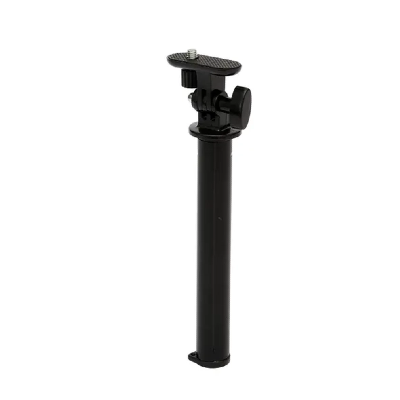
Beyond material properties and surface treatments, certain design elements directly affect the real-world durability of aluminum telescopic rods.
The locking mechanisms of telescopic poles are a critical design feature that determines how securely the rod will stay in place when extended. There are several types of locking mechanisms, including flip-lock, twist-lock, and push-button systems.
Reliable locking mechanisms prevent the rod from collapsing accidentally during use, which could lead to potential safety hazards, especially when working at height. High-quality locking mechanisms not only improve safety but also contribute to the overall structural integrity and durability of the rod. A poorly designed locking mechanism can result in slippage, instability, and failure under stress, which can shorten the rod's lifespan.
Tube nesting precision is another essential design factor for ensuring the durability of aluminum telescopic rods. The tubes of the pole must fit together with precise tolerances to allow smooth extension and retraction while maintaining strength and stability. If the tubes are poorly designed or misaligned, it can lead to uneven wear, jamming, or even breakage of the pole over time.
Proper tube nesting ensures that the rod’s internal components do not wear out prematurely, reducing the risk of breakdowns or failures and extending the pole’s useful life.
When it comes to aluminum telescopic rod design, there is always a trade-off between strength and weight. Stronger rods can handle heavier loads but tend to be bulkier and harder to maneuver, while lightweight rods are easier to handle but may not be able to carry as much weight.
Factor | High Strength | Low Weight |
Aluminum Alloy | Balanced | ✓ Lightweight |
Carbon Fiber | Strongest/Light | High cost |
Steel | Very strong | Heavy |
As shown in the table, aluminum alloy provides a balanced approach between strength and weight. For applications that prioritize ease of use and portability, aluminum remains the material of choice. However, if a task requires maximum strength and load-bearing capacity, such as heavy-duty industrial work, materials like steel or carbon fiber may be better suited despite their additional weight and cost.
The manufacturing process of aluminum telescopic rods plays a significant role in determining their durability. High-quality rods undergo strict precision machining to ensure that they are manufactured to exact specifications. This ensures that each component of the rod fits together perfectly and operates smoothly, extending the lifespan of the product.
Additionally, tolerance and strength testing are essential to verify that the rods can withstand the stresses they will encounter during use. During this process, manufacturers test the rods to ensure they meet the required standards for load-bearing capacity and safety.
To ensure the long-lasting performance of aluminum telescopic rods, quality control is critical. Rigorous testing and quality assurance checks at every stage of production help to identify any flaws in design, materials, or manufacturing processes that could affect the rod’s durability. By maintaining strict quality control, manufacturers can ensure that each aluminum telescopic rod meets the highest standards of strength, safety, and performance.
In conclusion, material durability is an essential consideration when choosing aluminum telescopic rods for various applications. Key factors such as alloy composition, wall thickness, surface treatments, and design elements all contribute to the overall performance and longevity of the rod. Buyers should carefully consider these factors to ensure they select a product that can withstand demanding conditions and provide long-lasting, reliable service.
By prioritizing durability in aluminum telescopic rod design, manufacturers can offer products that meet the needs of industries requiring high-performance tools. Whether it’s for construction, maintenance, or outdoor applications, selecting a durable, well-designed telescopic rod ensures that workers can perform their tasks safely and efficiently.
For more information or to purchase high-quality aluminum telescopic rods, contact us today at Zhongshan Step-By-Step Metal Co., Ltd. We offer a range of durable solutions to meet all your industrial needs.
1. What factors determine the durability of aluminum telescopic rods?
Durability is determined by material properties, such as alloy composition, wall thickness, and surface treatments like anodization, as well as design elements like locking mechanisms and tube nesting precision.
2. How does anodization improve the durability of aluminum telescopic rods?
Anodization enhances corrosion resistance and wear resistance, ensuring the rods perform well in harsh environments and last longer without requiring frequent maintenance.
3. Why is tube nesting precision important for aluminum telescopic rods?
Tube nesting precision ensures that the components of the rod fit together properly, preventing wear and failure, and allowing for smooth extension and retraction.
4. What is the trade-off between strength and weight in aluminum telescopic rods?
Aluminum poles offer a balance between strength and weight, making them ideal for tasks that require both durability and portability. However, stronger materials like steel may be required for tasks that involve heavy loads.


