
English
Views: 0 Author: Site Editor Publish Time: 2025-11-26 Origin: Site
Creating your own aluminum telescoping pole can be an exciting project, particularly when you recognize its practical use across various industries, from outdoor activities to home maintenance. In this guide, we’ll take you step-by-step through the process of crafting a customized aluminum telescoping pole. We’ll provide practical tips and insights to ensure that your pole is durable, functional, and perfectly suited to your specific needs.
An aluminum telescoping pole is a versatile tool used for various applications, including construction, maintenance, outdoor adventures, and even camera mounts. These poles consist of nested tubes, which can extend and collapse to adjust their length. Aluminum, being lightweight yet strong, is the preferred material for telescoping poles due to its corrosion resistance and ease of handling.
Zhongshan Step-By-Step Metal proudly presents our premium aluminum telescopic poles, designed for versatility and durability across a wide range of applications. Constructed from high-quality aluminum alloy, these poles are lightweight yet incredibly strong, making them ideal for both professional and recreational use.
Before you start building, it’s crucial to understand the key features that define a good aluminum telescoping pole:
One of the primary reasons aluminum telescoping poles are favored is their exceptional durability. Aluminum is naturally rust-resistant, making it an ideal material for poles that will be exposed to various weather conditions, from heavy rain to intense sunlight. Unlike steel or other metals, aluminum won’t corrode or weaken over time, ensuring the pole maintains its strength and functionality. Additionally, aluminum is lightweight, which enhances its ease of use without compromising on strength. Whether for outdoor work or heavy-duty tasks, a durable aluminum pole ensures longevity, making it a wise investment for both professional and recreational applications.
The ability to adjust the length of an aluminum telescoping pole is perhaps its most important feature. This flexibility allows the pole to be extended for reaching high places, such as tall trees or windows, or collapsed for easy storage and transportation. The telescoping mechanism, which consists of nested tubes, allows users to lock the pole at various lengths, making it versatile for different tasks. Whether you need a short pole for precise control or a long one for maximum reach, this adjustability makes the pole suitable for a wide range of uses, including maintenance, outdoor activities, and specialized applications like photography or video production.
A strong and reliable locking mechanism is essential for ensuring the stability and safety of the aluminum telescoping pole during use. The locking system prevents the inner and outer tubes from slipping or collapsing while the pole is extended. Two common types of locking mechanisms are twist-lock and push-button locks. Twist-lock mechanisms allow for easy extension and retraction of the pole with a simple twist, providing a secure hold once the desired length is achieved. Push-button locks, on the other hand, offer a more straightforward mechanism, with a button that locks the pole at the chosen length. Both systems are effective, but the choice depends on user preference and the intended application, with twist-lock systems generally offering a higher level of security for more demanding tasks.
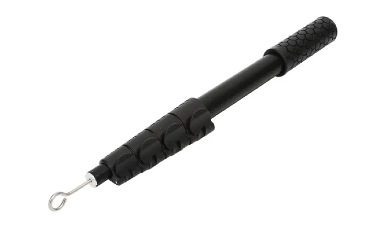
When making a customized aluminum telescoping pole, selecting the right tubing is essential. The tubing’s diameter and wall thickness should be determined based on the weight-bearing requirements of the pole. For most general uses, tubes with an outer diameter of 22mm to 25mm and a wall thickness of 1.0mm are standard choices. Thicker walls provide more stability, but it can add weight.
● Outer Diameter (OD): The larger the outer diameter, the stronger the pole.
● Wall Thickness: A thicker wall improves the strength but also makes the pole heavier.
To craft a customized aluminum telescoping pole, you’ll need the following tools:
When crafting a customized aluminum telescoping pole, choosing the right cutting tool is crucial for achieving precise cuts. A rotary tube cutter is an ideal choice because it provides clean, straight cuts without the risk of damaging the tubing. It is especially effective for cutting aluminum as it prevents the tubing from bending or deforming. A hacksaw can also be used, but it requires more effort and may result in rougher edges that will need extra smoothing. For best results, ensure that your cutting tool is designed specifically for metal to avoid excessive wear or imprecision during the process.
After cutting your aluminum tubing, it's important to smooth the edges to eliminate any sharp burrs or rough spots. Deburring tools, such as a deburring tool or file, help refine the cut edges to ensure that the tubing slides together smoothly during assembly. Sandpaper can also be used for this purpose, especially for smaller or less precise areas. Deburring is essential not only for the aesthetic quality of the pole but also for safety, as sharp edges can cause injury. Smoothing out these edges ensures a cleaner, safer, and more professional-looking final product.
Accurate measurements are critical when making a customized aluminum telescoping pole. A measuring tape is an essential tool for ensuring that both the inner and outer tubes are cut to the right length. When measuring, make sure to account for both the length of the pole and the overlap between the tubes. It’s also helpful to mark the tubing with a pencil or chalk to avoid any mistakes during cutting. An accurate measurement ensures that the tubes fit correctly and that the pole can extend and lock into place properly, making the final product more functional and reliable.
Safety should always be a priority when crafting your own aluminum telescoping pole. Cutting and handling metal can be hazardous, so wearing appropriate safety gear is essential. Goggles will protect your eyes from flying debris while cutting, and gloves will protect your hands from sharp edges during assembly. It’s also advisable to wear long sleeves and closed-toe shoes to protect your skin from potential sparks or metal shards. Taking the necessary precautions not only ensures your safety but also helps you work more efficiently and confidently, minimizing the risk of injury during the fabrication process.
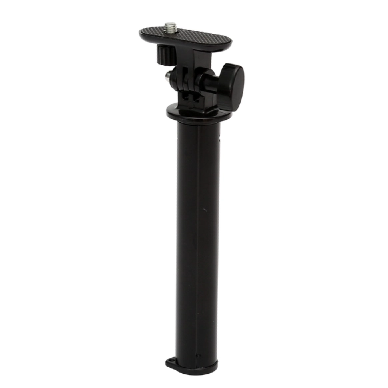
The first step is to measure the tubing to your desired lengths. You’ll need two pieces of tubing: one for the inner pipe and another for the outer pipe. These will fit inside one another, and the inner pipe should slide smoothly within the outer pipe.
Tip: Be sure to leave some extra length for adjustments later in the process. Cutting the tubing too short can compromise the pole’s functionality.
Use a rotary tube cutter or hacksaw to cut both the inner and outer tubes to the required length. It’s important to ensure that the cuts are straight to avoid uneven fitting.
After cutting the tubes, the next step is to deburr the edges. The cut edges can be sharp, so use a deburring tool, round file, or sandpaper to smooth them out. This ensures the tubes slide together without resistance and reduces the risk of injury during use.
Now it’s time to assemble the aluminum telescoping pole. For each set of tubing, follow these steps:
1. Insert the inner tube into the outer tube. The inner tube should slide into the outer tube with minimal resistance.
2. Install a locking mechanism. You can use a twist-lock or push-button mechanism, depending on your preference and the pole’s intended use.
3. Test the locking function to ensure the tubes lock securely and can support the intended weight.
At this point, your telescoping pole should be functional, with adjustable length based on the design.
End caps are essential for maintaining the structural integrity of the pole. They protect the tubes’ ends from damage and can also add a professional finish to the aluminum telescoping pole. Additionally, they help prevent dirt, debris, and moisture from entering the tubes.
There are various types of end caps available, including sliding and removable versions. The choice of end cap depends on the use case of the pole. For instance, if you're using the pole outdoors or in wet conditions, you might want to opt for an end cap with a drainage hole.
To make your pole more versatile, you may want to add attachments. These could include:
● Clips or Hooks: For hanging tools or equipment.
● Camera Mounts: Ideal for photographers and videographers.
● Base or Stand: To stabilize the pole when not in use.
Tip: When adding attachments, ensure that the added weight doesn’t compromise the pole's stability or locking mechanism.
One common issue when making aluminum telescoping poles is misalignment between the inner and outer tubes. If the tubes don’t slide together smoothly, it may affect the pole's stability.
● Solution: Ensure that both tubes are cut straight and that the locking mechanism is securely fastened.
If the pole slips while in use, check if the locking mechanism is functioning properly and if the tubing is clean and free of debris.
Locking issues can arise, especially if the mechanism is weak or gets stuck. If the twist-lock or push-button doesn’t hold the pole securely, it might collapse under pressure.
● Solution: Replace the locking mechanism if it's faulty or consider using a stronger alternative.
If you want your customized aluminum telescoping pole to stand out or withstand harsher conditions, consider adding a surface treatment. Anodizing or powder coating can enhance the pole’s resistance to corrosion, UV exposure, and general wear and tear.
● Tip: Anodizing not only protects the pole but can also give it a sleek, professional appearance.
If you plan to use the pole in wet conditions (such as fishing or water sports), it’s essential to make it water-resistant. You can add a small drainage hole to the end caps to allow water to flow out, preventing rust and moisture buildup inside the pole.
Building your own aluminum telescoping pole offers a personalized solution for various tasks. Whether for outdoor use, maintenance, or professional applications, a custom pole ensures functionality and durability. Choosing the right materials, tools, and locking mechanisms is key. Zhongshan Step-By-Step Metal offers high-quality, lightweight, and strong aluminum poles, ideal for both recreational and professional uses. Their poles are built for versatility and durability, ensuring long-lasting performance in any application.
1. How do I choose the right materials for making a telescoping pole? When choosing materials, opt for high-quality aluminum tubing with the correct diameter and wall thickness for your intended use. A diameter of 22mm to 25mm and a wall thickness of around 1.0mm are common choices. Aluminum is lightweight, rust-resistant, and durable, making it ideal for telescoping poles.
2. What tools do I need to build a custom aluminum telescoping pole? To make your own aluminum telescoping pole, you'll need a rotary tube cutter or hacksaw to cut the aluminum tubing, deburring tools or sandpaper to smooth the edges, measuring tape for accuracy, and safety gear such as goggles and gloves to protect yourself during the process.
3. How do I ensure the pole is stable and functional? Ensure the pole is stable by focusing on a secure locking mechanism, such as a twist-lock or push-button lock, to prevent the inner and outer tubes from slipping. Additionally, smooth the cut edges of the tubing and ensure the end caps fit securely to prevent dirt and debris from entering.
4. Can I customize my aluminum telescoping pole for specific tasks? Yes, you can customize your aluminum telescoping pole by choosing the appropriate locking mechanisms, adding end caps, or attaching accessories like hooks or camera mounts. Surface treatments like anodizing can also be used to enhance durability and appearance.


