
English
Views: 0 Author: Site Editor Publish Time: 2025-12-01 Origin: Site
Zhongshan Step-By-Step Metal proudly presents our premium aluminum telescopic poles, designed for versatility and durability across a wide range of applications. These poles are constructed from high-quality aluminum alloy, which makes them lightweight yet incredibly strong—ideal for both professional and recreational use. However, even the best poles can encounter common issues that, if not addressed promptly, can affect their performance and longevity. In this article, we’ll explore the common problems faced by aluminum telescoping poles and provide actionable solutions to fix them.
Aluminum telescoping poles are widely used because they are durable, versatile, and easy to handle. But over time, like any tool, they may experience certain issues. Identifying and fixing these problems early can help extend the pole’s lifespan and ensure its functionality. Below are the most common problems with aluminum telescoping poles.
Cause: Over time, dirt, grime, and moisture can accumulate inside the telescoping sections, making it increasingly difficult for the pole to extend or collapse smoothly. This buildup creates friction between the tubes, resulting in the pole becoming stiff or even stuck. If the pole is frequently used in outdoor environments, especially near water, moisture can accelerate the corrosion of the aluminum surface, which only worsens the issue. Additionally, dust and debris can enter the locking mechanisms, preventing them from functioning properly. Exposure to environmental factors such as rain, humidity, or salty air can cause significant wear and tear over time.
How to Fix:
1. Clean the Sections: The first step to resolving this problem is to clean the pole thoroughly. Use warm water and a mild soap solution to scrub away dirt and grime from the sections. A soft brush or sponge is ideal for reaching the inner parts of the telescoping sections, especially around the collars and locking mechanisms. Be sure to remove any buildup, paying extra attention to the grooves where the sections slide into one another.
2. Lubricate: Once the pole is cleaned, allow it to dry completely. Moisture left inside the tubes can lead to further problems such as rust. After it has dried, apply a silicone lubricant or PTFE spray to the inner surfaces of the sections. These lubricants are designed to reduce friction and improve the pole’s sliding action, making it easier to extend and retract. Be sure to wipe off any excess lubricant to avoid attracting more dirt.
3. Inspect for Damage: After lubrication, carefully inspect the telescoping sections for any visible damage, such as dents, bends, or scratches. These imperfections can impede the smooth operation of the pole. If any of the sections are severely damaged, it's essential to replace them. A damaged section can compromise the overall functionality of the pole, making it unstable or unreliable. For poles with multiple sections, replacing just one can often restore the pole’s full range of motion and ensure safety.
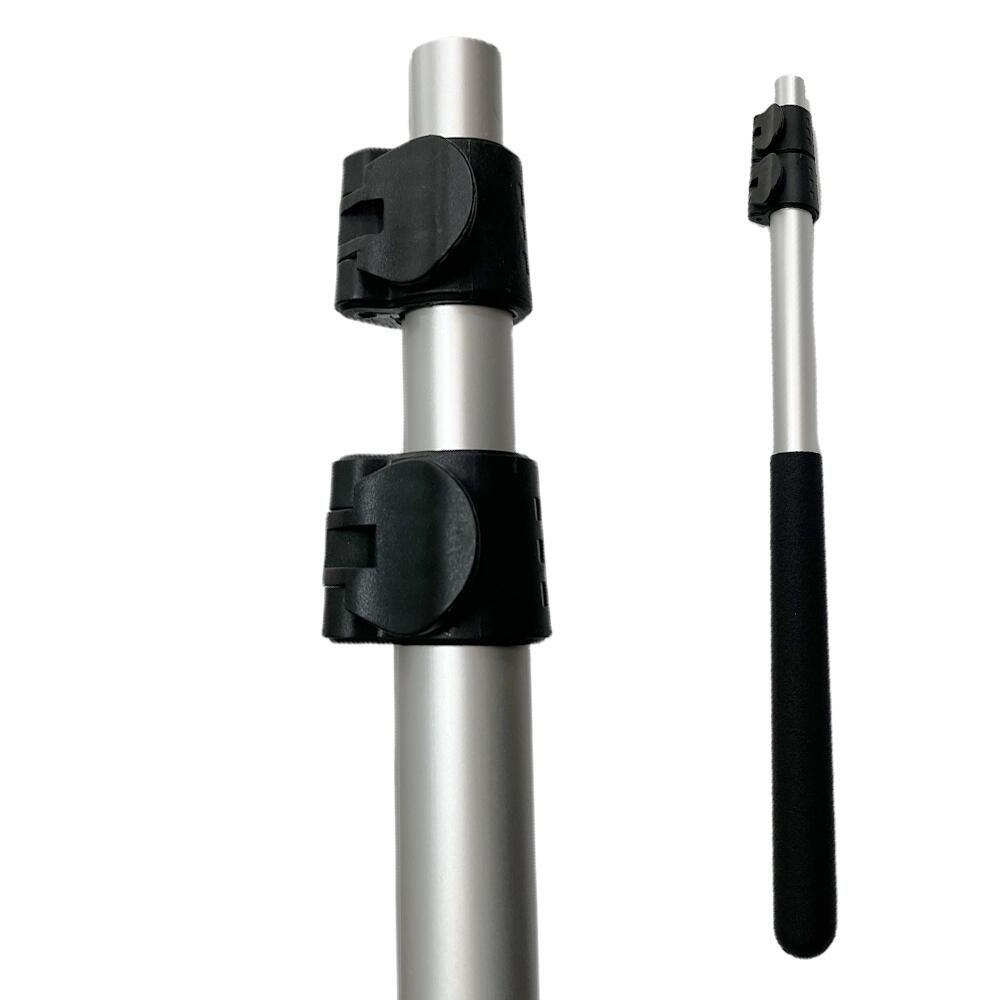
Cause: Loose or wobbly sections occur when the locking mechanisms are not tight enough. Over time, the screws or clamps that secure the sections may loosen, especially with frequent use.
How to Fix:
1. Tighten the Clamps or Screws: Ensure the screws or clamps securing the sections are tightened properly. Use the appropriate tools to achieve a snug fit.
2. Check for Wear: If the clamps or locking mechanisms are worn out, they may need to be replaced to ensure stability.
3. Regular Maintenance: Regularly check the tightness of these components before each use to prevent wobbling and ensure safe operation.
Cause: The internal cam mechanism or spring-loaded buttons can become misaligned or damaged, causing the locking mechanism to fail.
How to Fix:
1. Twist-Lock Mechanism: For twist-lock mechanisms, pull the sections apart and locate the clip or lever that holds the mechanism together. Remove it, realign the cam, and re-secure the clip.
2. Spring-Loaded Button: If the spring-loaded button is malfunctioning, clean the mechanism thoroughly. If it continues to fail, consider replacing the spring or button.
3. Tighten the Locking Mechanism: If the mechanism is loose, tighten it further to ensure a secure lock.
Cause: Water intrusion is a common issue for aluminum telescoping poles, especially when used outdoors in wet or humid conditions. Water can seep into the pole through the top section, especially when it’s exposed to rain, snow, or high humidity. If water gets trapped inside the pole, it can lead to internal corrosion over time, which weakens the structure and performance of the pole. In cold weather, the water may even freeze, further expanding and potentially damaging the internal components. This issue is particularly problematic for poles used near bodies of water or in areas prone to heavy rainfall or snow.
How to Fix:
1.Drainage: One effective way to combat water buildup inside the pole is to drill small drainage holes at the bottom of each section. These holes allow any water that enters the pole to escape, preventing it from accumulating and causing corrosion or other damage. Be careful when drilling the holes to avoid damaging the pole, and ensure that the holes are large enough to allow water to drain quickly but small enough to avoid compromising the pole’s integrity. If your pole is used in extremely wet conditions, adding these drainage holes can be a vital preventive measure.
2.Dry the Pole: After each use, especially if the pole has been exposed to rain or water, fully extend the sections and allow them to dry. It’s important to air-dry the pole completely to ensure that no moisture is trapped inside. You can use a towel to wipe down the exterior, but also ensure that the interior of the sections is dry before storing it. Leaving the pole extended for a few hours or overnight can help ensure that moisture does not remain inside, which could lead to rust or other issues in the long run.
3.Preventive Coating: To further protect your aluminum telescoping pole from the effects of water, apply a protective weather-resistant coating. Coatings such as anodizing or powder coating provide an additional layer of defense against corrosion. These coatings not only make the pole more durable but also help prevent water from penetrating the surface. Be sure to apply a coating that is specifically designed for aluminum and outdoor use, as it will enhance the pole’s resistance to moisture, UV rays, and general wear and tear.
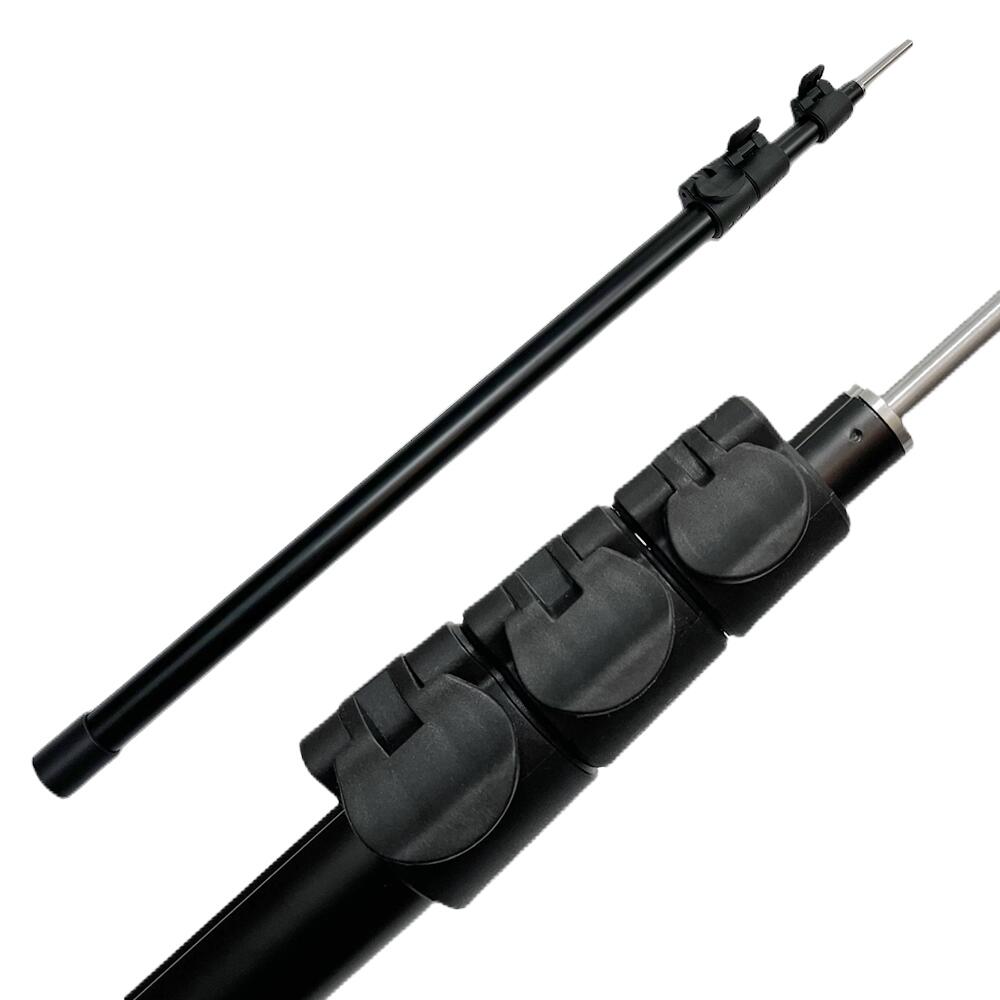
Cause: Bending or deformation of the pole typically occurs due to impact, improper use, or excessive load.
How to Fix:
1. Straighten the Sections: Minor bends can be straightened by hand, but be cautious not to cause further damage.
2. Replace Damaged Sections: If the pole is severely bent or cracked, it's better to replace the affected sections to maintain the pole's strength.
3. Proper Handling: To prevent bending, ensure that you do not overload the pole or drop it from heights.
Now that we’ve identified the most common problems, let’s discuss in detail how to fix them. Zhongshan Step-By-Step Metal offers high-quality aluminum telescoping poles designed to last longer and perform better. However, proper care and maintenance are essential to ensure their durability.
Prevention Tips:
Regularly clean the sections to remove dirt, grime, and moisture.
Lubricate the moving parts with a silicone lubricant to keep friction at a minimum.
Fixing Process:
1. Disassemble the pole and clean the internal parts thoroughly.
2. After cleaning, lubricate the sections and wipe off any excess lubricant to avoid dirt buildup.
3. Inspect the pole for damage or misalignment, and replace any damaged sections.
Prevention Tips:
Tighten all screws and clamps before each use to ensure the pole is secure.
Inspect locking mechanisms for wear and replace them if necessary.
Fixing Process:
1. Tighten all screws and locking clamps to ensure the sections are secure.
2. Replace any worn-out locking mechanisms to restore stability.
Step-by-Step Fix:
1. For twist-lock mechanisms, disassemble the pole and realign the internal components. Replace any damaged parts.
2. For spring-loaded buttons, clean and replace any broken springs or buttons.
3. Make sure to properly tighten the locking mechanism to prevent slippage.
Regular maintenance plays a crucial role in ensuring the long-term performance and safety of your aluminum telescoping pole. Zhongshan Step-By-Step Metal recommends performing the following tasks to keep your pole in optimal condition.
Regular cleaning and lubrication are essential to prevent sticking, rust, and mechanical failure. For outdoor use, clean the pole after each use, especially if it has been exposed to dirt or moisture. Apply silicone lubricant every few months to reduce friction and ensure smooth operation.
Before each use, inspect the pole for any loose components or signs of wear. Tighten all screws and clamps to avoid wobbly sections, and ensure that the locking mechanism is functioning properly.
In summary, aluminum telescoping poles are indispensable tools for many applications, but they can develop issues such as sticking sections, locking mechanism failure, water intrusion, and loose sections. These problems can often be fixed through regular maintenance, cleaning, and lubrication. For businesses and individuals who rely on aluminum telescoping poles, ensuring high-quality materials and offering effective solutions for maintenance and repairs is crucial. Zhongshan Step-By-Step Metal offers premium aluminum telescoping poles, designed for versatility and durability, making them ideal for both professional and recreational use. By following simple maintenance practices, you can extend the life of your aluminum telescoping poles and ensure their reliable performance for years to come.
A: Common issues include sticking or hard-to-extend sections, loose or wobbly parts, locking mechanism failures, water intrusion, and bent or damaged sections. Regular maintenance can help prevent these problems.
A: Clean the sections regularly, lubricate them with silicone spray, and ensure they are thoroughly dry after use. Regular maintenance will keep the sections functioning smoothly.
A: This often happens when the locking mechanisms or clamps are not tightened properly, or the parts have worn out over time. Tightening or replacing these components will restore stability.
A: If the locking mechanism fails, clean it thoroughly, realign the internal parts, and apply lubrication. If the mechanism is still faulty, replace the damaged parts.
A: Yes, water can lead to internal corrosion and damage. Prevent this by drilling small drainage holes, drying the pole thoroughly, and applying a protective coating.


