English
Views: 0 Author: Site Editor Publish Time: 2026-07-02 Origin: Site
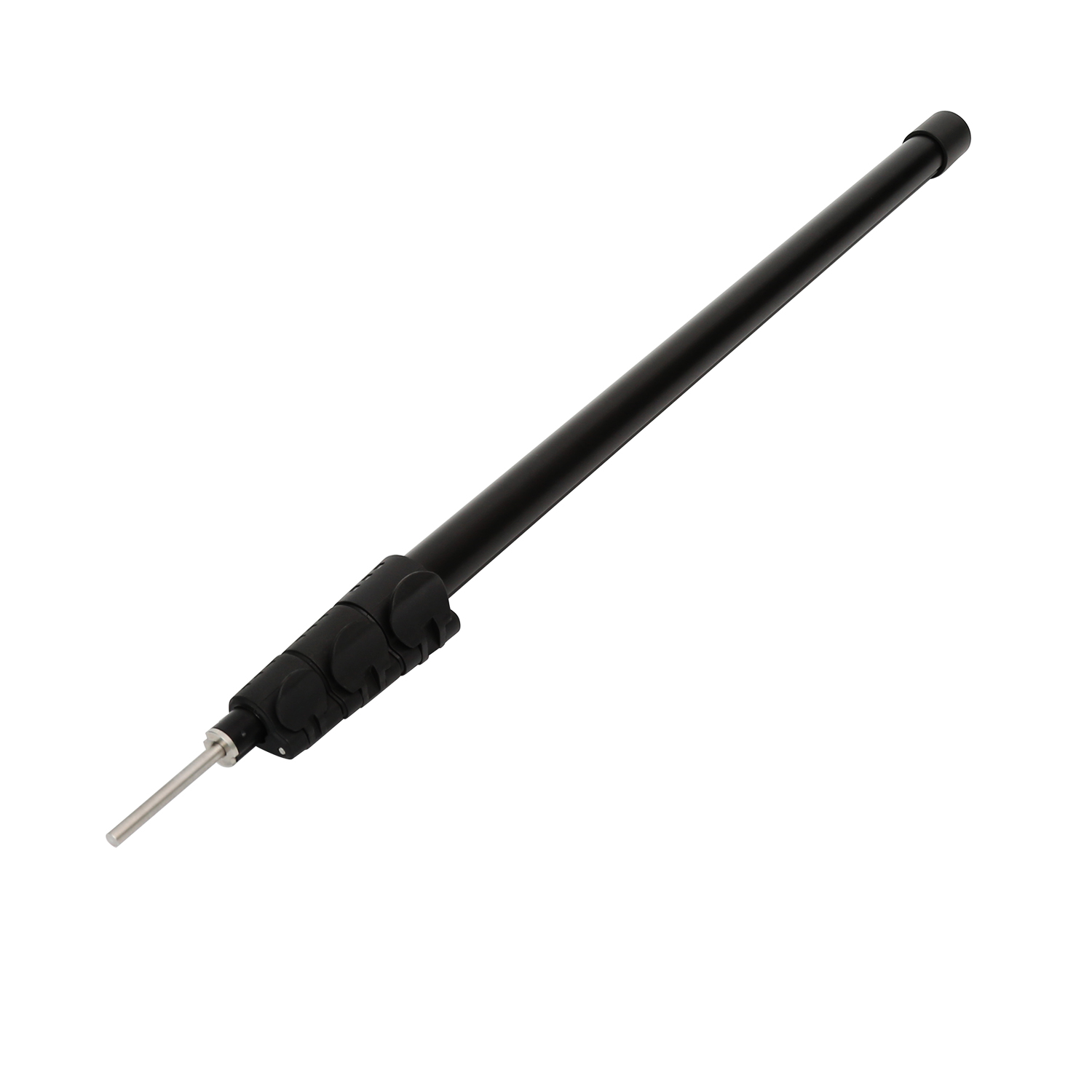
Original equipment manufacturers (OEMs) face a tough core challenge today. You must balance end-user ergonomics against high-volume manufacturing viability. Heavy tool handles cause severe worker fatigue. Fragile tools break rapidly under commercial stress. You need a reliable middle ground. Today, the custom aluminum telescopic pole serves as the industry-standard baseline. We see it utilized across commercial and consumer tool lines. It offers exceptional material strength. It remains impressively lightweight and highly adaptable. This article provides a comprehensive technical and commercial framework. We will help you evaluate, specify, and source these poles effectively. You will discover how to select the correct alloys. We explore locking mechanisms and extrusion tolerances in depth. Proper specifications prevent disastrous field failures. They also differentiate your brand in a crowded market. Let us dive into the engineering details.
Leading tool brands do not choose materials randomly. They demand reliable performance at a massive scale. OEMs must protect their production margins. They also need to deliver highly durable products. Aluminum answers these demands perfectly.
You have several material options for tool handles. Let us compare them directly. Fiberglass resists electrical currents well. However, it weighs significantly more. It can also splinter painfully over time. Steel offers immense structural strength. Unfortunately, steel is exceptionally heavy. It rusts easily in damp environments. Carbon fiber provides ultimate lightness. Yet, it remains cost-prohibitive for mass-market tools. Aluminum strikes the perfect commercial balance. It resists corrosion naturally. It keeps the overall tool weight remarkably low.
Material Evaluation Chart
| Material Option | Weight Profile | Durability & Wear | Cost Factor |
|---|---|---|---|
| Aluminum (6000 Series) | Lightweight | High corrosion resistance, won't splinter | Highly cost-effective |
| Fiberglass | Heavy | Durable, but prone to micro-splintering | Moderate |
| Steel | Very Heavy | Strong, but highly susceptible to rust | Low to Moderate |
| Carbon Fiber | Ultra-Light | Extremely rigid, shatters under severe impact | Very High |
High-volume manufacturing requires stable pricing models. Aluminum extrusion operates as a highly standardized global process. Raw aluminum commodity prices fluctuate slightly. However, the per-unit extrusion costs remain incredibly stable. You can forecast production budgets accurately. This predictability helps you plan long-term product releases safely.
Commercial cleaners and painters use tools continuously all day. Handle weight directly impacts their stamina. A lighter pole reduces shoulder strain significantly. Reduced user fatigue translates directly to increased tool adoption. Workers simply prefer tools they can swing comfortably. Ergonomic designs drive massive repeat purchases in the maintenance sector.
Common Mistake: Do not compromise on base material quality to save pennies. Using cheap, non-standard alloys leads to bending under load. This ruins the ergonomic benefits instantly.
Choosing the right specifications for an aluminum extension handle requires true engineering precision. You must match features directly to user outcomes. Let us examine the core technical evaluation dimensions.
Not all aluminum behaves identically in the field. You must select the correct alloy series.
Heat treatment dictates ultimate structural rigidity. T5 temper involves cooling the extrusion in ambient air. It provides sufficient strength for standard, everyday tools. T6 temper involves rapid water quenching. This rapid cooling process maximizes material rigidity. You should specify T6 exclusively for extreme load-bearing handles.
Longer poles require thicker walls. You must calculate the necessary gauge carefully. Maximum extended length dictates this structural requirement. Thin walls bow dramatically under load. A 0.9mm wall might support a simple 6-foot reach. A 24-foot pole often needs a 1.5mm base tube. Proper calculations prevent embarrassing field failures.
Raw aluminum oxidizes quickly. Anodizing solves this problem efficiently. It grows a hard, protective oxide layer. This layer prevents corrosion entirely. More importantly, it reduces friction drastically. Nested sections slide smoothly during extension. Anodizing also supports brand-specific colorway matching. You can align the pole color directly with your corporate identity.
Best Practice: Always request hard-coat anodizing for tools exposed to abrasive environments. Standard anodizing scratches easily if exposed to heavy sand or grit.
The tubes form the main skeleton. The locking mechanisms act as the joints. Joint failure ruins the entire user experience. You must select the right connection components meticulously.
Different tasks require entirely different locks. Here are the main options to consider.
How does the pole connect to the actual tool head? You have two primary engineering paths. Designing universal fitments usually involves standard ACME threads. This allows broad cross-brand compatibility. Conversely, proprietary click-lock adapters create closed ecosystems. Closed ecosystems trap users within your specific brand line. Both approaches have distinct commercial merits.
Bare metal gets cold quickly. It also gets slippery when wet. You should integrate custom EVA foam sleeves. TPR (thermoplastic rubber) grips add excellent tactile feedback. Adding structural ribbing into the pole design improves grip strength natively. These small touches scream premium quality to the buyer.
A functional prototype is just the beginning. Mass production introduces entirely new risks. You need careful oversight. Every OEM aluminum telescopic pole project faces harsh supply chain realities.
Custom tube profiles require upfront financial investments. You must pay for new extrusion dies. This gives you a truly proprietary shape. Utilizing off-the-shelf manufacturer extrusions costs less initially. You skip the tooling fee entirely. However, standard tubes severely limit your design differentiation.
Nested pole sections require highly precise gaps. We call this clearance. Managing this gap is hyper-critical. If the tolerance is too tight, friction occurs. The tubes will bind together permanently. If the gap is too loose, structural wobble ruins the feel. Experienced factories hold tolerances within fractions of a millimeter.
Common Mistake: Many buyers forget to account for the anodizing layer thickness. Adding a hard-coat anodize adds microscopic thickness. This can turn a perfectly fitting prototype into a jamming production unit.
Factories hate small production runs. You must navigate prototype batches carefully. Full production runs offer vastly better pricing. Custom anodizing colors heavily impact minimums. Standard silver or black keeps MOQs low. Unique brand colors require much larger batch commitments.
You absolutely cannot skip batch testing. Locking mechanisms experience severe high fatigue. Plastic levers degrade over time. Internal collets wear down. You must demand rigorous load-bearing failure tests. Regular quality control prevents disastrous product recalls.
Your factory partner makes or breaks your product. Shortlisting requires strict analytical logic. Vendor evaluation goes far beyond simple unit price.
Buyers should prioritize vendors featuring integrated production lines. They should handle extrusion, anodizing, and assembly internally. Multi-vendor supply chains cause massive delays. If the outside anodizer ruins a batch, the assembler waits helplessly. In-house control ensures highly reliable delivery schedules.
Look for remarkably strong design teams. Evaluate a supplier's ability to read CAD drawings accurately. They must translate these drawings into functional, manufacturable prototypes. A good partner spots manufacturability issues early. They suggest vital improvements before cutting the metal die.
Ensure your partner holds verifiable ISO 9001 certification. You need verifiable raw material origin testing. Some cheap factories use low-grade recycled billet. Recycled impurities cause weak spots inside the tube. Demand pure, certified aluminum billets always.
Best Practice: Ask for material certificates before placing your order. A trustworthy supplier provides chemical composition reports without hesitation.
Do not rush the final purchase order. Request detailed material specification sheets first. Ask for structural test data clearly. Compare sample production lead times across vendors. Careful vendor selection pays massive dividends.
The success of a custom tool handle relies on multiple factors. It goes far beyond just picking a base material. Precision engineering of the locks and joints dictates performance. Aluminum provides the perfect canvas. However, execution matters most. We recommend beginning procurement conversations early. Come prepared with clearly defined payload requirements. Understand your target environmental conditions perfectly. Do not leave tolerances to chance. Contact an experienced engineering team today. They can review your specific tool handle specifications. Request an extrusion prototype to feel the quality yourself.
A: A typical timeline spans roughly 4 to 8 weeks. Die creation takes about two weeks. Extrusion and custom anodizing require another two weeks. Final assembly and testing consume the remaining time. Complex proprietary locking mechanisms may extend this timeline slightly.
A: Yes, it absolutely can. You must specify aerospace-grade 6061-T6 aluminum. You also need a thicker wall gauge, typically above 1.5mm. Interestingly, locking mechanism failure usually occurs long before the actual aluminum tube bends.
A: Standard anodizing provides basic oxidation resistance and color matching. Hard-coat anodizing creates a much thicker, denser oxide layer. You should specify hard-coat for aggressive commercial environments. It provides vastly superior wear resistance against sand, grit, and daily abuse.
A: Yes, top manufacturers offer several paths. You can white-label their existing, patented locking mechanisms. This saves massive R&D time. Alternatively, you can pay tooling costs to design a completely custom lock. This ensures ultimate brand exclusivity.